Wisdom Teeth Removal Cost: Factors That Affect Pricing
Few dental procedures generate as many questions about cost as wisdom teeth removal. People often hear a friend paid a few hundred dollars, then call an oral surgeon and get a quote that is several times higher. Both numbers can be accurate. The gap usually comes down to one thing: “wisdom teeth removal” is not a single, uniform service. It covers everything from a straightforward extraction of one erupted tooth to a hospital-based surgical procedure for four deeply impacted teeth under IV sedation.
That difference matters because pricing follows complexity. The location of the teeth, the type of anesthesia, the training of the provider, the region where you live, and your insurance benefits all shape the final bill. If you are trying to budget for treatment, the most useful approach is not to ask for one universal price. It is to understand what drives the estimate and which charges are routine versus avoidable.
Why prices vary so much
From the patient side, wisdom teeth removal can seem like one appointment with one fee. Inside the practice, it is usually built from several components. There is an exam, often imaging, the surgical extraction itself, anesthesia or sedation if used, clinical supplies, staff time, and follow-up care. In more complex cases, the provider may also need extra time for sectioning the tooth, removing bone, or managing difficult roots near important structures such as the mandibular nerve or sinus floor.
That is why the cheapest online quote rarely tells the whole story. Some offices advertise a base fee for one simple extraction but exclude panoramic X-rays, consultation, sedation, prescription medications, or pathology if needed. Others offer bundled pricing that looks higher at first glance but includes nearly everything. Patients naturally compare one number to another, but cost discussions are more useful when you are comparing the same scope of care.
A common real-world example illustrates this well. A college student with two upper wisdom teeth fully visible in the mouth may only need local anesthetic and a brief office visit. Another patient the same age may have four impacted teeth, one lying sideways against a second molar, requiring a surgical approach and IV sedation. Both are getting “wisdom teeth out,” but the procedure length, risk profile, and recovery support are very different.
The biggest cost driver: simple extraction versus surgical extraction
The most important pricing distinction is whether the tooth is erupted and easy to remove, or impacted and surgically involved. An erupted tooth that can be elevated and extracted much like a regular molar usually falls at the lower end of the cost range. A tooth trapped under gum tissue or bone, especially one positioned horizontally or close to a nerve, typically costs more because the surgery is more demanding.
A simple extraction often requires less chair time, fewer instruments, and less postoperative management. The fee may be relatively modest, sometimes in the low hundreds per tooth depending on the market. Surgical extractions, on the other hand, can run several hundred dollars per tooth and sometimes more in high-cost regions or specialty settings.
Impaction itself comes in degrees. Soft tissue impaction means the tooth is covered by gum but not deeply encased in bone. Partial bony impaction adds more complexity. Full bony impaction, especially when roots are developed and curved, often means more operative time and more skill. The deeper the tooth sits, the more involved the removal tends to be.
This is one reason oral surgeons often quote higher fees than a general dental office for the same diagnosis, though not always. They are trained to handle more difficult cases, and many practices are equipped to provide deeper sedation. For a straightforward erupted tooth, a general dentist may be the most economical option. For high-risk anatomy, paying more for specialty care can be money well spent if it reduces the chance of complications.
Imaging can change the estimate
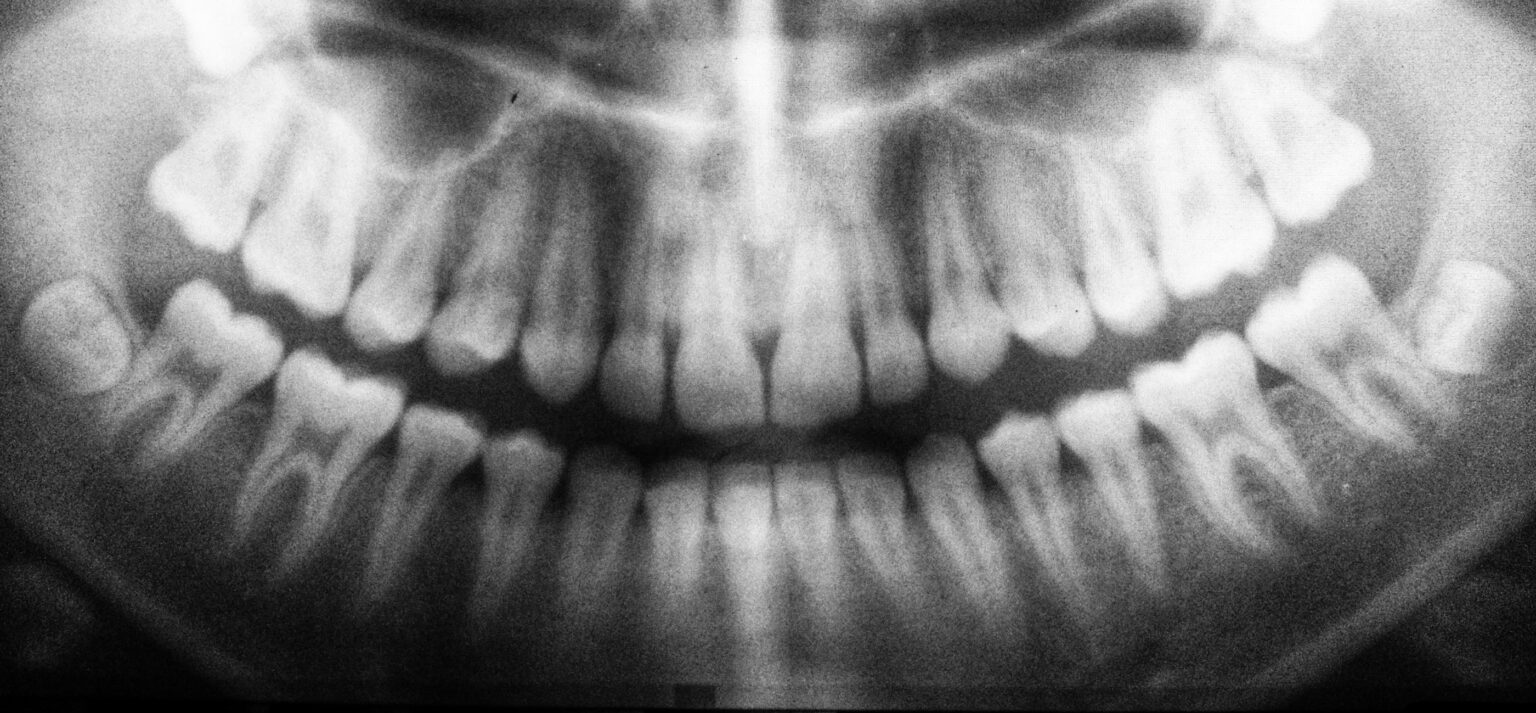
Most wisdom teeth evaluations start with a panoramic X-ray. That image gives the provider a broad view of the jaws, roots, sinuses, and nearby teeth. In many routine cases, it is enough to plan treatment. If your office has not taken recent imaging, that may appear as a separate fee on the estimate.
Sometimes a panoramic image raises concerns that justify a cone beam CT scan. This is more common when the lower wisdom teeth appear very close to the inferior alveolar nerve, when roots have unusual shapes, or when prior infection or cystic changes are suspected. A CT scan costs more than a standard panoramic X-ray, but it can be valuable when anatomy is unclear. It helps the surgeon plan more precisely and may lower surgical risk.
Patients occasionally resist this added imaging because it feels optional. In some cases it is. In other cases, it is what allows the surgeon to decide whether a standard extraction is appropriate, whether a coronectomy should be considered, or whether the case belongs in a hospital setting. If additional imaging is recommended, ask how it will change the treatment decision. That question usually gets you a clear answer.
Anesthesia and sedation often make the bill climb quickly
For many patients, anesthesia is the second largest cost factor after the extraction itself. Local anesthetic alone is the least expensive option. It numbs the area, and the patient remains fully awake. This approach works well for single-tooth removals and for some calm patients with uncomplicated anatomy.
Nitrous oxide adds cost but is still relatively modest compared with deeper sedation. Oral sedation, usually a prescribed medication taken before the appointment, may increase the fee somewhat depending Wisdom Teeth Removal on office protocol. IV sedation or deep sedation is where charges can rise substantially. These appointments require more monitoring, specialized staff, medication management, and recovery time. In many practices, sedation is billed separately from the extraction fee.
Patients are often surprised by how much sedation affects the estimate. In a practical sense, they are paying not only for comfort but also for logistics and safety. A sedated wisdom tooth case usually occupies more clinical resources than a local anesthetic extraction. Monitoring equipment, preoperative instructions, fasting requirements, and postoperative discharge protocols all become part of the service.
For someone with severe dental anxiety, strong gag reflexes, multiple impacted teeth, or a low tolerance for lengthy procedures, sedation can be the right choice despite the cost. For a single erupted upper wisdom tooth, it may be unnecessary. The point is not that one option is better. It is that anesthesia selection has a real financial impact and should be part of the treatment conversation early.
Geographic location matters more than people expect
Dental fees are highly local. An extraction that costs one amount in a small Midwestern city may cost much more in Los Angeles, Seattle, Boston, or Manhattan. Rent, staff wages, malpractice coverage, and supply costs all feed into procedure pricing. A specialist practicing in a high-overhead urban area is simply dealing with a different business environment than a suburban office in a lower-cost state.
This explains why broad national averages can be misleading. They are useful for orientation, not for planning a household budget. If you are price shopping, compare practices in your actual area and ask whether their quotes include imaging, sedation, and follow-up. Patients sometimes spend hours studying national websites only to learn that none of those figures reflect what providers nearby charge.
Traveling for dental care can reduce fees in some situations, but wisdom teeth removal is not always a great candidate for long-distance shopping. If you need urgent follow-up for dry socket, swelling, or bleeding, having your surgeon nearby is worth something. Savings that look attractive on paper can disappear quickly if recovery becomes complicated away from home.
The provider’s training and setting influence cost
A general dentist may remove wisdom teeth, particularly erupted or minimally impacted ones. An oral and maxillofacial surgeon typically handles more difficult extractions and more sedation-heavy cases. Specialty training often commands a higher fee, especially for impacted lower third molars close to the nerve or sinus.
The setting also matters. A private office generally costs less than a hospital or ambulatory surgery center. Hospital-based removal may be recommended for patients with significant medical issues, severe obesity with airway concerns, complex developmental conditions, or cases expected to require advanced anesthesia support. Those settings add facility fees and often separate anesthesia billing. The total can be far higher than an office procedure.
This does not mean hospital care is overpriced. It reflects a different level of infrastructure. When a patient needs cardiac monitoring, a dedicated anesthesia team, or a setting equipped for medical emergencies, the cost rises because the environment is fundamentally different.
Insurance can help, but coverage is uneven
Dental insurance may cover a portion of wisdom teeth removal, especially if the procedure is medically necessary due to pain, infection, gum disease, decay, damage to adjacent teeth, or impaction. Coverage is often stronger for extraction itself than for sedation. Annual maximums can also limit how much help you receive. Many plans cap benefits at amounts that have not kept pace with current procedure costs.
Medical insurance sometimes enters the picture, though less often than patients expect. It may contribute if the extraction is tied to a medical issue, performed in a hospital, or requires medically necessary anesthesia because of an underlying condition. More commonly, routine wisdom teeth removal remains a dental benefit.
If you have insurance, the estimate is only as good as the office’s information about your plan. Preauthorization can help, but it is not a guarantee of payment. I have seen patients assume a quote marked “insurance estimated” was final, only to discover later that their remaining annual maximum had already been used on crowns or orthodontics. Before scheduling, it is worth confirming deductibles, waiting periods, sedation coverage, and whether the provider is in network.
Here are the insurance details that most often change out-of-pocket cost:
- whether the tooth is coded as simple or surgical
- whether sedation is covered, partially covered, or excluded
- whether the provider is in network
- how much annual maximum remains
- whether imaging is billed separately or included
That short list explains many of the surprises patients encounter after the claim processes.
Hidden or overlooked charges
When patients say a wisdom teeth estimate felt misleading, it is usually because one or more related fees were not discussed Wisdom Teeth Removal upfront. This is not always intentional. Sometimes a scheduling coordinator is quoting only the surgeon’s fee before records are complete. Still, it helps to know what can appear as separate line items.
A consultation fee may be separate from the procedure, especially if you are being referred for evaluation. Imaging may be billed on the day of the consult if you do not already have current films. Sedation often appears as its own charge, sometimes based on time. Prescription medications, though not usually the largest expense, add to the total. In some markets, there may also be a postoperative visit fee if complications require extra treatment, though many practices include routine follow-up in the original price.
Another overlooked issue is pathology. Most routine wisdom teeth removals do not generate major pathology charges, but if tissue is sent for evaluation because of a cyst, unusual lesion, or concerning finding, that lab work may create an added fee. This is not common in everyday cases, but it is worth understanding if the surgeon mentions abnormal tissue.
Typical price ranges, with appropriate caution
Any number given without your X-rays and exam is only a range. That said, people need some way to frame the discussion. In many U.S. Markets, a simple erupted wisdom tooth extraction may fall roughly in the low hundreds per tooth. A surgical extraction for an impacted tooth often lands higher, commonly several hundred dollars per tooth and sometimes more. Add IV sedation, and the total for removing four wisdom teeth can easily reach into the low thousands. In higher-cost cities, the figure may climb further.
Those ranges are intentionally broad because local markets vary so much. A four-tooth case under local anesthetic in a moderate-cost area may differ dramatically from a four-tooth impacted case under IV sedation in a major metro area. What matters is not whether your quote matches someone else’s social media post. What matters is whether the diagnosis and line items make sense for your anatomy and treatment plan.
If a quote seems unusually high or unusually low, ask what is included. That single question often reveals whether you are comparing apples to apples. A bargain estimate that excludes sedation, imaging, and follow-up is not a bargain if those services are inevitable.
Timing affects cost in subtle ways
People often delay wisdom teeth removal to save money, but timing can cut both ways. Removing problematic teeth before repeated infections, decay, or damage to second molars may reduce total expense over time. A lower wisdom tooth that repeatedly traps food and inflames the gum can lead to emergency visits, antibiotics, lost workdays, and eventually a more difficult extraction.
Age can also affect complexity. Younger patients often have less developed roots and more forgiving bone, which may make surgery and recovery simpler. That does not mean every teenager should automatically have wisdom teeth removed. It means that once a clear indication exists, delaying for years rarely makes the procedure cheaper and can sometimes make it more difficult.
I have seen patients put off treatment because one side only hurt occasionally, then return after the adjacent molar developed decay where the wisdom tooth had been pressing and trapping debris. At that point, the bill was no longer just an extraction. It included restorative work on the second molar as well. Preventing that kind of domino effect is one reason dentists recommend removal in selected cases before symptoms become constant.
When the cheapest option is not the best value
Cost matters. Few people have the luxury of ignoring it. But with wisdom teeth, the cheapest quote is not always the best deal if it omits important safety or recovery considerations. This is especially true for patients with deeply impacted lower teeth, difficult medical histories, or significant anxiety.
Value comes from appropriate diagnosis, competent surgery, clear anesthesia planning, and accessible follow-up. A low fee loses its appeal quickly if the office has no plan for emergencies, poor communication about postoperative care, or limited experience with the complexity of your case. By contrast, a slightly higher quote from a provider who explains the anatomy clearly, reviews risks honestly, and offers responsive aftercare may save stress and expense later.
There is also a practical side to scheduling. Some lower-cost clinics book very tightly and may have limited time for discussion. That does not make them poor providers, but patients with complicated cases often benefit from a setting where the surgeon can answer questions in detail and adjust the plan if imaging raises concerns.
Questions worth asking before you commit
A short financial conversation before surgery can prevent a surprising bill later. If you are comparing offices, focus less on the headline number and more on what it covers.
- Does the estimate include the consultation, X-rays, extraction, sedation, and routine follow-up?
- Is the fee different if the surgeon finds the tooth is more impacted than expected?
- What portion is insurance estimated to cover, and what is my responsibility if the claim pays less?
- Are prescriptions billed separately, and are there any likely additional charges?
- If I develop dry socket or need an urgent recheck, is that included?
Those questions are direct, reasonable, and common. A good office should answer them without defensiveness.
Financing and payment plans
Because wisdom teeth removal can be expensive, many practices offer financing through third-party medical credit companies or in-house payment arrangements. Financing can make treatment more accessible, but it deserves the same scrutiny as any other loan. Deferred-interest offers, in particular, catch people off guard. If the balance is not paid in full during the promotional window, interest may be charged retroactively.
For patients who need four teeth removed and have limited insurance, splitting treatment may look more manageable at first. Sometimes it is. But separating extractions into multiple visits can increase total cost if sedation or facility fees are repeated. It may also prolong recovery and time away from work or school. In other situations, especially when only one tooth is currently problematic, staged treatment makes perfect sense. There is no universal rule. It depends on symptoms, anatomy, budget, and how the office structures fees.
Dental schools can be another option for lower-cost care, though availability varies and case selection is not guaranteed. Treatment may take longer, and more complex cases may still be referred out. For patients with uncomplicated needs and flexibility, it can be worth exploring.
What patients should take from the estimate
A wisdom teeth estimate is not just a price tag. It is a map of the clinical judgment behind the procedure. The fee reflects how many teeth are being removed, how difficult they are to access, what kind of anesthesia is planned, where the surgery is being done, and whether insurance will share the cost. Once you understand those moving parts, the numbers become easier to interpret.
The best approach is practical. Get a diagnosis based on current imaging. Ask whether the teeth are erupted, partially impacted, or fully impacted. Clarify what type of anesthesia is recommended and why. Confirm exactly what the written estimate includes. Then weigh the provider’s experience, your own comfort level, and the quality of follow-up support, not just the lowest advertised figure.
For something as common as Wisdom Teeth Removal, pricing can still vary widely. That does not mean the market is arbitrary. It means the procedure sits at the intersection of anatomy, surgical difficulty, anesthesia, and local economics. Once you see those factors clearly, the cost starts to make more sense, and you are far less likely to be blindsided by the bill.
Oxnard Dentistry
1730 E Gonzales Rd, Oxnard, CA 93036, United States
+1 805-307-8731
FAQ About Wisdom Teeth Removal
How painful is it to remove a wisdom tooth?
Local anesthetic numbs the area during extraction. Pressure may still be noticeable; tell the dentist if you feel pain. Soreness and swelling afterward are common. Follow the pain-control instructions provided for your situation.
How long is recovery for wisdom teeth extractions?
Recovery varies with the tooth position and complexity of the extraction. Some people resume routine activities quickly, while others need several days of rest. Soreness, swelling and jaw stiffness can last up to two weeks. Follow your clinician's aftercare and activity advice.
What are the risks of wisdom tooth removal?
Possible complications include dry socket, infection, persistent bleeding and changes in sensation from nearby nerve injury. Your dentist or oral surgeon should explain your individual risks before treatment. Seek prompt dental advice for bleeding that will not stop, fever, or severe or worsening pain and swelling.