What Not to Eat After Wisdom Teeth Removal
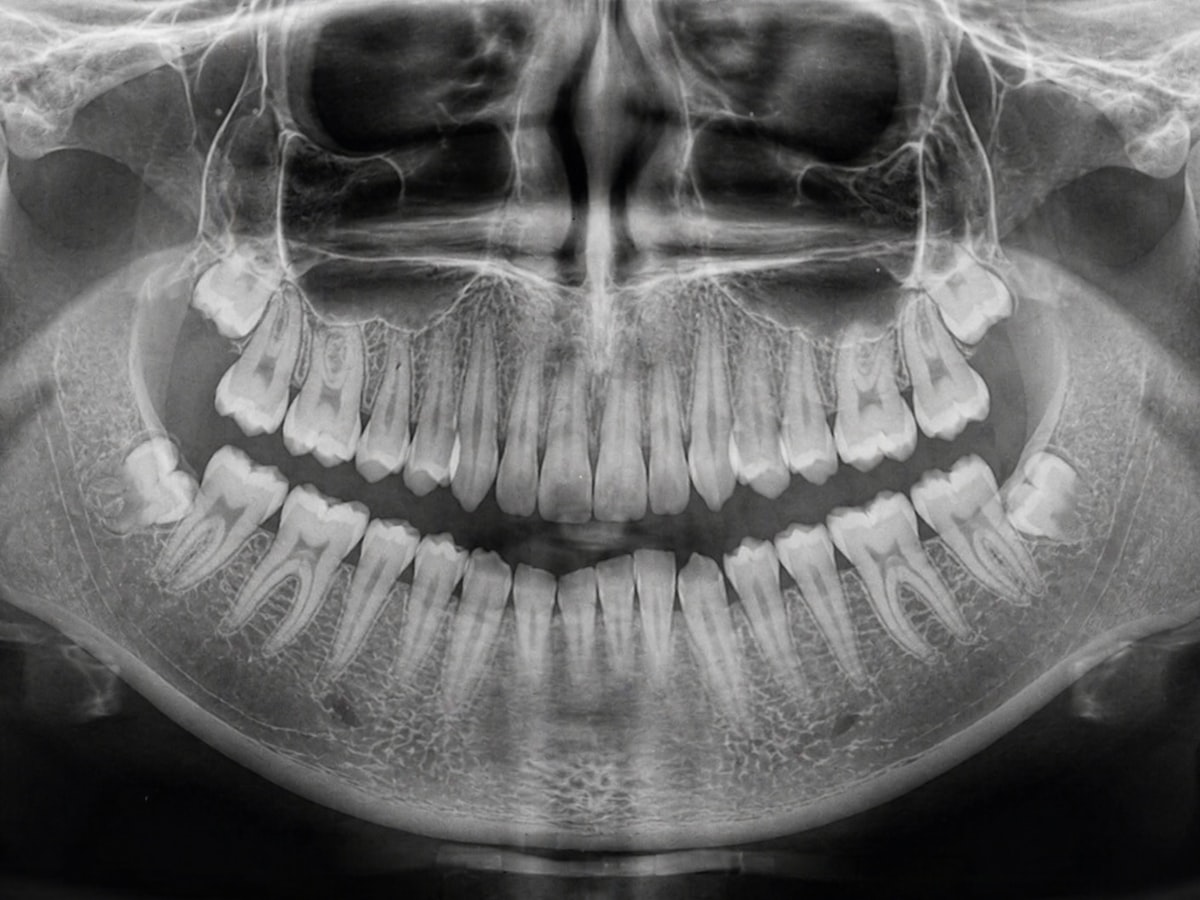
Wisdom teeth removal sounds straightforward until the numbness fades, your jaw stiffens, and you realize eating has suddenly become a strategic exercise. Most people focus on what they can eat, and that matters, but what you should avoid often matters more in the first several days. The wrong food at the wrong time can do more than cause discomfort. It can disturb the blood clot, pack debris into the extraction site, trigger bleeding, or simply make an already sore mouth feel far worse.
After wisdom teeth removal, your mouth is healing from a surgical wound. Even if the procedure went smoothly, the tissue is tender, the extraction sockets are vulnerable, and swelling can alter the way you chew. Food choices that seem harmless under normal circumstances can become a problem very quickly. I have seen patients do everything right with their medications and ice packs, only to set themselves back with crunchy snacks, hot soup, or a smoothie through a straw.
The basic goal is simple: protect the clot, avoid irritation, and keep food from getting trapped where your body is trying to heal. That requires more judgment than most discharge sheets make obvious.
Why food matters so much in the first few days
When a tooth is removed, your body forms a blood clot inside the socket. That clot is not just a sign healing has started. It is part of the healing process itself. If it dissolves too early, gets dislodged, or is repeatedly disturbed, the exposed bone and nerves underneath can become extremely painful. That is the problem people know as dry socket, and it is one of the most miserable complications after Wisdom Teeth Removal.
Food plays into this more than many patients expect. Chewing increases pressure and movement. Small particles can lodge in the site. Sharp edges can scrape nearby tissue. Heat can increase bleeding early on. Acid and spice can sting the wound. Even foods that are technically soft can become troublesome if they are sticky, seedy, or require a lot of mouth movement.
The timeline also matters. What you should avoid on day one is not exactly the same as what you should avoid on day five. Some foods are a bad idea only in the immediate post-op window. Others remain risky until the sockets have closed more fully.
The foods that cause the most trouble
The broad categories are easy to remember once you understand the reason behind them. Foods become a problem after wisdom teeth removal if they are crunchy, hard, hot, spicy, acidic, sticky, or full of small loose particles.
Here are the main offenders worth avoiding:
- Crunchy foods such as chips, crackers, toast crust, popcorn, and pretzels
- Hard foods such as nuts, raw carrots, hard candy, and tough pizza crust
- Small particle foods such as rice, quinoa, seeds, granola, and shredded coconut
- Sticky or chewy foods such as caramel, gummies, chewy bread, and thick nut butters
- Spicy, very hot, or acidic foods such as hot salsa, citrus-heavy dishes, and steaming soups
That short list covers most of the mistakes that lead to unnecessary pain.
Crunchy foods can do more damage than people think
Crunchy foods are probably the most common setback food after extraction. Chips, crackers, popcorn, cereal, and even crusty bread break into irregular fragments. Those fragments can jab the healing tissue or slide into the socket and stay there. If a patient tells me, “It didn’t hurt while I was eating, but afterward the area started throbbing,” crunchy food is high on the Wisdom Teeth Removal Oxnard Dentistry list of suspects.
Popcorn deserves special mention. The hulls are notorious for slipping into gum pockets and extraction sites, and they are difficult to remove without irritating the tissue further. It is one of those foods that people often try too early because it seems light, but it causes outsized trouble.
Crackers and toast are also deceptive. They soften slightly with saliva, which gives people confidence, but they still crumble into fine particles. Those particles can settle exactly where you do not want them. Even a simple sandwich can be rough if the bread is toasted or the crust is stiff.
Hard foods demand more chewing than your mouth is ready for
A hard food is not just risky because of its texture. It also forces your jaw to work. After wisdom teeth removal, especially if the lower teeth were impacted, the jaw muscles can feel tight and sore for days. Trying to chew something firm often leads people to overcompensate on one side, which creates more strain and can accidentally bring food into contact with the extraction area.
Raw vegetables are a common issue here. A patient may decide to “eat healthy” and reach for carrot sticks or sliced apples. Under normal circumstances, that is sensible. After oral surgery, it is a poor trade. Those foods require forceful biting and repeated grinding. The same goes for steak, jerky, bagels, and dense sandwich rolls. Even if you can tolerate the first few bites, the cumulative irritation tends to show up later.
Hard candy is another overlooked problem. Some people do not even think of it as food, but sucking on candy can increase mouth movement, and biting down on it can easily jar the sore area.
Tiny particles are the hidden enemy
Many foods are soft enough to chew comfortably but still cause problems because they break into small pieces. Rice is the classic example. It does not feel dangerous. Yet individual grains can slip into extraction sockets with surprising ease. Quinoa, sesame seeds, chia seeds, flax, and finely shredded foods can do the same.
This is why some foods fall into a frustrating gray zone. Oatmeal may be fine for one person and annoying for another depending on how thick it is and whether dry bits remain. Smooth yogurt is often comfortable, but yogurt with fruit seeds can become irritating. A blended soup is usually safer than one with wild rice, lentil skins, or tiny diced vegetables.
Patients are often surprised by how persistent these bits can be. Even with gentle rinsing later in recovery, they do not always come out immediately. Food trapped in the socket can produce odor, discomfort, and understandable anxiety, even when it does not cause a true infection. Avoiding those textures early is simply easier than trying to manage them afterward.
Hot foods and drinks are a day-one mistake for many people
Temperature matters more than many people realize. Very hot foods and beverages can increase blood flow and encourage renewed bleeding soon after surgery. That is why the first day is not the time for steaming soup, fresh coffee, or takeout that is still piping hot.
A warm meal is different from a hot one. Lukewarm mashed potatoes are usually fine. Soup that has cooled considerably can work well. The problem is the kind of heat that makes you instinctively sip carefully. If it feels hot to normal tissue, it is too hot for a fresh extraction site.
Numbness complicates this because you may not accurately sense temperature for several hours after the procedure. People sometimes burn the inside of the mouth or drink something too warm without noticing right away. Once sensation returns, the area feels even more inflamed.
Spicy foods can turn a manageable recovery into a miserable one
A fresh surgical site does not appreciate capsaicin. Spicy foods can sting intensely, trigger a burning sensation, and make swelling feel worse. They also tend to make people salivate more and move the tongue around the area, which is not ideal in the first day or two.
This does not only apply to obviously hot foods like buffalo wings or jalapeño salsa. Seasoning blends, pepper-heavy sauces, and some takeout dishes can be irritating even if you would not normally classify them as “spicy.” If a food has any chance of making your lips tingle or your nose run, save it for later in the week.
Acidic foods deserve a place in the same conversation. Tomato sauces, citrus fruits, vinaigrettes, and some sports drinks can sting vulnerable tissue. Orange juice is often one of the first things people regret.
Sticky and chewy foods create mechanical stress
Sticky foods are problematic because they pull. Chewy foods are problematic because they demand repeated jaw motion. Both can be uncomfortable, and both can interfere with a stable clot if eaten too soon.
Caramel and gummy candy are obvious examples, but the category is broader than sweets. Thick peanut butter on bread, chewy pizza crust, bagels, taffy, and dense protein bars all ask too much from a healing mouth. Even foods that start soft can become sticky in the mouth and cling near the extraction site.
There is also a practical issue here. Sticky foods are harder to clean away. If you are trying not to brush directly over the area or rinse too aggressively in the first 24 hours, anything adhesive becomes more trouble than it is worth.
Straws are not food, but they belong in this conversation
It is impossible to talk about what not to eat after wisdom teeth removal without mentioning straws. Smoothies, milkshakes, and blended drinks seem perfect after surgery, and the texture often is. The problem is suction. Drinking through a straw creates negative pressure in the mouth, which can disturb the clot in the socket.
This is one of those rules patients sometimes underestimate because the drink itself feels safe. I have heard every variation: “It was only one sip,” “I used a small straw,” “The smoothie was thin.” The issue is not the flavor or texture. It is the suction. If you want a smoothie, use a spoon or sip from a cup once your dentist or oral surgeon says it is appropriate.
The same logic applies to forceful spitting. Be gentle when clearing your mouth.
The first 24 hours require the most caution
Day one is not the time to test your tolerance. The safest approach is cool to lukewarm, smooth, and minimal chewing. Even people who feel surprisingly good can run into problems by assuming that pain level equals readiness. Local anesthetic, prescription pain medication, and plain post-op optimism can create false confidence.
A fairly typical first-day mistake looks like this: someone gets home, rests, feels hungry by evening, and decides scrambled eggs, toast, and a smoothie sound soft enough. The eggs are usually fine. The toast is not. The smoothie through a straw is not. By bedtime the extraction site is irritated, and by the next morning there is more pain than expected. That does not always mean a major complication, but it does mean the tissue has been bothered.
On the first day, simpler is better. Pudding, applesauce, yogurt without mix-ins, cooled soup broth, mashed potatoes, or a well-blended smoothie eaten with a spoon are all more forgiving choices.
Days two through four are when people often get overconfident
This is the stretch where swelling may peak and then begin to improve, while pain often becomes more manageable. Appetite returns, and patients get tired of soft foods. That is usually when crunchy or chewy foods sneak back in too early.
The sockets are still healing. Even if bleeding has stopped and you are functioning fairly normally, the tissue is not ready for chips, burgers, crusty bread, or salads packed with raw vegetables. It is wise to keep avoiding foods that splinter, scatter, or require forceful chewing. You can usually expand your diet gradually, but the progression should be based on comfort and caution, not boredom.
This stage is also when food trapping becomes more noticeable. As swelling decreases and you start eating more, small particles can collect in the extraction sites. That does not mean something has gone wrong. It does mean food choice still matters.
A few foods that surprise people
Some foods are not obvious problems until you have seen them cause issues repeatedly.
Rice often catches people off guard because it feels soft and plain. Yet it behaves almost perfectly like tiny filler material for an extraction socket. It is one of the most common “safe” foods people wish they had skipped for a few more days.
Pasta can go either way. Very soft noodles with a smooth sauce may be tolerated, but undercooked pasta, sharp pasta edges, or sauces with seeds and spice are less friendly than they look.
Ice cream is usually acceptable in moderation, but add-ins change the equation quickly. Cookie chunks, nuts, brownie bits, and candy pieces defeat the purpose. The same is true for yogurt with granola or fruit pieces.
Bread is another frequent misunderstanding. Soft white bread may be manageable, but artisan loaves, baguettes, toasted slices, and seedy multigrain breads can be rough. Many people focus on the filling of a sandwich and forget the bread itself is the problem.
Alcohol and smoking deserve a brief warning
Alcohol can irritate the surgical area, interfere with hydration, and interact poorly with pain medications or antibiotics. It is best avoided in the early recovery period. Smoking is even more problematic because it combines chemical irritation with suction, both of which raise the risk of complications after Wisdom Teeth Removal. Even a patient with an easy extraction and a high pain tolerance can create a difficult recovery by returning to smoking too soon.
If your discharge instructions gave a specific timeline, follow that over any general advice.
What to do if you already ate the wrong thing
Most slipups do not guarantee a serious problem. If you accidentally ate something crunchy or used a straw once, do not panic. The useful response is calm observation. If there is bleeding, apply the gauze or pressure method your surgeon recommended. If there is no bleeding, avoid further irritation and return to safer foods.
Gentle hydration helps. Later, once your care team has told you it is safe to rinse, use a gentle saltwater rinse rather than vigorous swishing. Do not probe the socket with fingers, toothpicks, or improvised tools. Patients sometimes make a minor irritation worse by trying too aggressively to “clean” the area.
Watch for signs that pain is escalating rather than gradually improving. A little soreness after a food mistake is common. Significant throbbing pain, foul taste, increasing swelling, or renewed bleeding deserves attention.
When the diet can widen again
There is no single day when everyone can go back to normal eating. A simple extraction in a healthy young adult may allow a faster return to regular food than a complicated removal involving impacted lower wisdom teeth and stitches. As a general rule, food texture should advance in proportion to comfort and wound stability.
Most patients can begin broadening their options over several days, then continue doing so across the first week. The better question is not “What day can I eat chips?” but “Can I chew this without pain, strain, or debris getting near the site?” If the answer is no, it is too early.
The wisest approach is usually gradual. Move from smooth foods to soft foods that require gentle chewing, then to more normal textures. A recovery rarely suffers from being too cautious with food for a few extra days. It often suffers from the opposite.
Sensible guardrails that make recovery easier
If you want a practical standard, choose foods that are soft, moist, lukewarm or cool, and easy to swallow without much chewing. Avoid anything that breaks apart, sticks, burns, stings, or demands effort. That principle is more useful than memorizing endless food lists because it helps with real-life choices. You may not know whether a certain takeout dish is “allowed,” but you can usually judge whether it is crumbly, spicy, seedy, or chewy.
A few simple checks help before you take a bite:
- If it needs force to bite through, wait
- If it leaves crumbs or particles behind, wait
- If it is very hot, let it cool
- If it burns on a small mouth sore, avoid it
- If you would need a straw, choose another method
Those rules are not glamorous, but they prevent most food-related setbacks.
The real goal is a boring recovery
The best recoveries after wisdom teeth removal are uneventful. They are not memorable for what you managed to eat on day two. They are memorable because pain stayed controlled, the sockets healed cleanly, and normal meals returned without drama. That usually comes from restraint in the first several days, especially with texture.
If you are choosing between two foods and one seems even slightly irritating, complicated, or risky, choose the duller option. Boring food for a short stretch is a small price compared with dry socket, trapped debris, or a painful setback. Healing tissue is not asking for perfect nutrition artistry. It is asking for calm conditions and a little patience.
For most people, that patience only needs to last a matter of days, not forever. Respect the extraction sites early, and your mouth usually rewards you by getting back to normal faster.
Oxnard Dentistry
1730 E Gonzales Rd, Oxnard, CA 93036, United States
+1 805-307-8731
FAQ About Wisdom Teeth Removal
How painful is it to remove a wisdom tooth?
Local anesthetic numbs the area during extraction. Pressure may still be noticeable; tell the dentist if you feel pain. Soreness and swelling afterward are common. Follow the pain-control instructions provided for your situation.
How long is recovery for wisdom teeth extractions?
Recovery varies with the tooth position and complexity of the extraction. Some people resume routine activities quickly, while others need several days of rest. Soreness, swelling and jaw stiffness can last up to two weeks. Follow your clinician's aftercare and activity advice.
What are the risks of wisdom tooth removal?
Possible complications include dry socket, infection, persistent bleeding and changes in sensation from nearby nerve injury. Your dentist or oral surgeon should explain your individual risks before treatment. Seek prompt dental advice for bleeding that will not stop, fever, or severe or worsening pain and swelling.